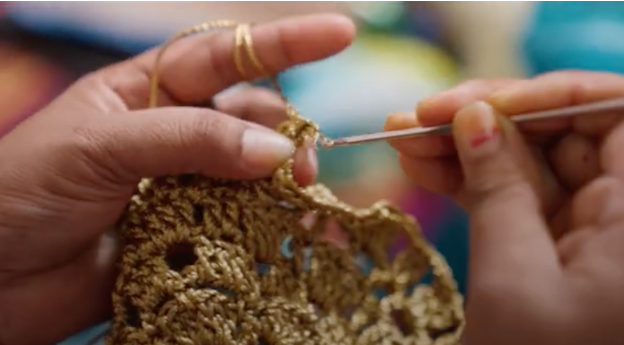
Craft-based training is revolutionizing rural India by equipping artisans, especially women, with practical, income-generating skills like crochet and macramé. This blog explores how Rural Handmade’s people-first training model empowers communities, nurtures entrepreneurship, and creates sustainable livelihoods, offering a replicable roadmap for NGOs, CSR teams, and government-led initiatives.

Market Insights | Resources
Marble carving is an ancient practice performed vividly across Europe, starting from Ancient Greece; the word itself means crystalline rock, shining stone. Pure white marbles are generally used for sculpture, with coloured ones preferred for many architectural and decorative uses. Different countries are known for different marble-like Egypt is for galala & Sinai pearl marble, Ethiopia is for daleti & enda tikurir marble, China for Hàn Bái Yǜ Marable, India for Makrana marble, Czech republic for Český Šternberk marble etc. you can read it further here
Market Insights | Resources
This Blog covers some of the most interesting aspects of handmade products in Vietnam. The heritage crafts of Vietnam include wooden furniture, porcelains, lacquers, embroidery, candles, jewels, artificial flowers, and glass products.
Business Management | Resources
Riyadh and Jeddah are two of the central regions in Saudi Arabia and are known for their beautiful modern architectural buildings. If you wonder how Riyadh and Jeddah architectural buildings looked in the past, I will give you an overview; Riyadh and Jeddah both had diversity in their traditional buildings.
Diy | Giving
What is Terracotta? The term Terra-cotta comes from the Italian dictionary meaning “Baked-earth,” ceramic Pottery. It is made out of a fairly coarse, porous type of clay that is high in iron oxides. Terracotta clay is easy to sculpt into various products such as vases, kitchen utensils, tile, planters, sculptures, bricks, etc. Once shaped, the dry clay is baked in a kiln or atop combustible material in a pit at a typical firing temperature of around 1,000 °C (1,830 °F), though in historical and archaeological cases, it may be as low as 600 °C (1,112 °F). After the baking part, the glaze has been applied to the product by which it gets its red color, although the actual raw clay can be brown, maroon, green, or red. Such clay can be easily found near the pounds, and generally, when these pounds get dry, the artisan collects this clay.
Sustainability | People
Sustainable Fashion

Apr 26, 2022

“Regardless of what your background is, we can all agree on some really basic things—no one should die to make a T-shirt, and we shouldn’t be pouring toxins into our planet.” — WHITNEY BAUCK ON GREEN DREAMER PODCAST EPISODE 129
Trends | Shop By Values
Discover the Upcoming Trend Care Culture What is Care Culture? Self Care is not the only care that embraces the rise of flexible lifestyles and a reprioritization of the community over competition. Care culture is the art of designing that is more reassuring and affirming, influenced by outdoor pursuits, nature-focused hobbies, and classic styles with long-lasting appeal. It is all about designing with love and for the world's greater good. It embraces sentimental themes of domestic craft and rural romance, rooted in the appeal of the home, community, and the environment.


You can subscribe and listen to Rural Handmade on Apple Podcasts, Google Podcasts, SimpleCast, Spotify. If you're interested in sharing your story with us, please reach out to support@ruralhandmade.com

I Understand

By continuing to use this site you consent to the use of cookies.

Know More.
X