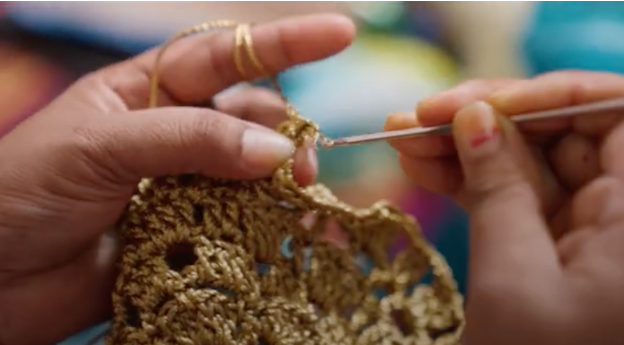
Craft-based training is revolutionizing rural India by equipping artisans, especially women, with practical, income-generating skills like crochet and macramé. This blog explores how Rural Handmade’s people-first training model empowers communities, nurtures entrepreneurship, and creates sustainable livelihoods, offering a replicable roadmap for NGOs, CSR teams, and government-led initiatives.
Charity is the practice of benevolent giving. Charity organizations are non-profitable and they heavily rely on the generosity of the public to help by donating money, goods, time and shopping with them. It is very important for them to get a consistent fund and donation for them to survive. In order to survive, becoming more and more apparent and reachable is the way to grow their presence. By having a website they can expand their visibility and brand.
Finally, we have reached this year’s festive season filled with Christmas joy and celebrations. It is also the time to think of gifts and share our appreciation with other people. Gifts that can be very thoughtful or simply bring a smile to one another.
There is a wide range of gifts that you can give, but handmade gifts could be a great alternative you should consider. There are many reasons why you should consider them.
Here are the top 7 reasons why you should try out handmade gifts:
Sustainability has gained big recognition in many industries including the jewellery industry. Consumers are becoming more aware of sustainability and its practises which is why when they look for brands and products, they always choose the sustainable alternative. This is why when consumers are buying jewellery, they want brands to have high standards and show what their impact on the environment is.
Now, if you sell jewellery you may ask yourself why it is important for you to be more sustainable as a brand. Do not worry, once again, we’ve got you covered!
Here are the top reasons why sustainability is important in the jewellery industry:
When making a rug, different materials offer different features and textures. Materials often used to weave are Wool, cotton, silk, jute, and even synthetic fibers such as polyester, polypropylene, and acrylic. Some offer resistance against wear in high foot traffic areas, whilst others offer the ability to accommodate incredibly complicated designs.
You can subscribe and listen to Rural Handmade on Apple Podcasts, Google Podcasts, SimpleCast, Spotify. If you're interested in sharing
your story with us, please reach out to support@ruralhandmade.com