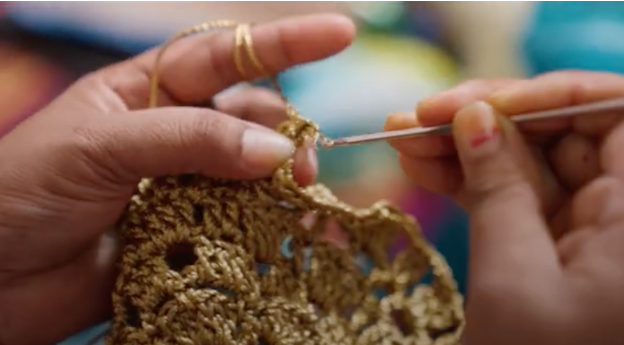
Craft-based training is revolutionizing rural India by equipping artisans, especially women, with practical, income-generating skills like crochet and macramé. This blog explores how Rural Handmade’s people-first training model empowers communities, nurtures entrepreneurship, and creates sustainable livelihoods, offering a replicable roadmap for NGOs, CSR teams, and government-led initiatives.
What is the SASB ?
The disclosure of financially significant sustainability information by businesses to their investors is governed by SASB Standards. The Standards, which are available for 77 industries, pinpoint the subset of environmental, social, and governance issues that are most crucial to each sector's financial performance.
What are SASB standards ?
The SASB defines "sustainability" as corporate operations that uphold or improve a company's capacity to generate value over the long term. Businesses can gain from using the standards by increasing performance, transparency, and risk management. SASB standards can benefit investors by promoting comparable, dependable, and financially significant reporting.
The Standards Association of Chartered Accountants (SASB) has developed a set of 77 industry-specific sustainability accounting standards. Each SASB standard describes the industry that is the subject of the standard, as well as any assumptions about the predominant business model and industry segments that are included.
Dispute resolution is the process of resolving a dispute or conflict between different parties. It can be an effective way of solving a conflict without having to go to court.
If the client does not make the payment they are required to, the following methods of dispute resolution can be considered:
There are 28 different fabrics in the world currently and fabric is used to create several different products ranging from clothes and cases to furniture and lighting.There are over 100 billion fabric based garments alone.. The industry is a global one that is thriving in the current global economy, however developing fabric based products is not an easy task. We have broken down the process into 6 steps each will describe a different element of the process in detail. Starting off with …
The relationship between the demand for sustainable production and the creative manufacturing sector.
The creative manufacturing sector has been around for a while, and during that time, it has undergone numerous changes and developments that have helped shape it into what it is today. This sector of the economy sells everything from furniture to fine art. generating more than 50 million jobs worldwide and 6.1% of the world's gross domestic product. Given the size of the creative manufacturing sector, the raw resources it uses—primarily plastic, leather, and other non-sustainable raw materials—have an inevitable effect on the environment. Future generations place a high value on environmental safety and sustainability, which are now worldwide influences on producers and consumers. The following statistics serve as the pudding's proof.
You can subscribe and listen to Rural Handmade on Apple Podcasts, Google Podcasts, SimpleCast, Spotify. If you're interested in sharing
your story with us, please reach out to support@ruralhandmade.com