Craft-based training is revolutionizing rural India by equipping artisans, especially women, with practical, income-generating skills like crochet and macramé. This blog explores how Rural Handmade’s people-first training model empowers communities, nurtures entrepreneurship, and creates sustainable livelihoods, offering a replicable roadmap for NGOs, CSR teams, and government-led initiatives.
Imagine the fashion industry as a dynamic dance where creativity meets practicality, and that's where merchandising takes center stage. Merchandising is like the conductor of an orchestra, turning design ideas into actual, desirable products that people want to buy. It's not just about putting clothes on shelves – merchandising is a smart, strategic process. It makes sure that the fantastic designs from the drawing board become real-world products that not only capture the brand's essence but also match what consumers are looking for.
Welcome to "The Ultimate Guide to Quality Control in Home Furnishing Manufacturing." This guide aims to demystify the complex world of quality control (QC) in home furnishings, making it accessible and understandable. Here, you'll find a blend of fundamental principles, real-world brand examples, and a look into the future with emerging technologies in the industry.
The increasing complexity of cross-border supply chain management has become a pivotal issue in the global economy, particularly impacting the handmade product manufacturing sector. Globalisation and the rise of international trade have significantly altered the landscape of supply chain management, presenting unique challenges and opportunities. The handmade product manufacturing sector, in particular, faces complexities related to sourcing raw materials from different countries, navigating cross-border regulations, and ensuring the seamless movement of finished products across various nations.
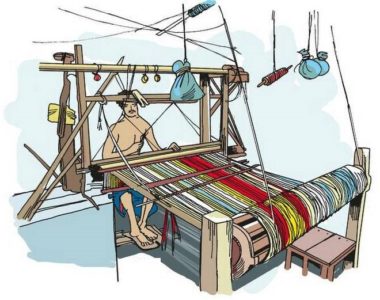
Indian hand-woven fabrics have a long-standing history and involve a significant number of artisans, particularly women and those from disadvantaged groups. The industry benefits from cheap labour, local resources, low investment, and a unique craftsmanship which makes it very sustainable and is increasingly valued by international consumers. However, despite these strengths, the industry contributes only a small portion to Indian exports. Therefore, there is a need to promote and harness the potential of this industry.
Environmental, social, and governance (ESG) factors have gained significant attention in recent years as businesses and manufacturers strive to become more sustainable and responsible. As companies worldwide face mounting pressure to align their operations with ESG principles, they encounter various challenges that need to be addressed. The 5 biggest ESG challenges for businesses and manufacturers globally are: climate change, supply chain sustainability, social impact, data privacy and cybersecurity, and governance and ethics. These challenges require businesses to address environmental, social, and governance issues to promote sustainability and build trust.
In this article, we will explore the five biggest ESG challenges facing businesses and manufacturers globally and discuss strategies for overcoming them.
Are you a B2B company interested in sustainability? Well, you're in the right place! In this blog, we'll dive into the European Sustainability Reporting Standards (ESRS) and explore what B2B companies need to know about them. These standards play a crucial role in promoting sustainable practices and responsible business conduct in Europe. So, let's get started and uncover the key insights that will help your B2B company thrive in the world of sustainability reporting!
You can subscribe and listen to Rural Handmade on Apple Podcasts, Google Podcasts, SimpleCast, Spotify. If you're interested in sharing
your story with us, please reach out to support@ruralhandmade.com