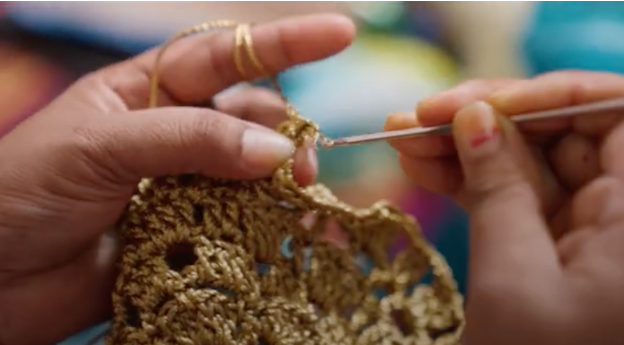
Craft-based training is revolutionizing rural India by equipping artisans, especially women, with practical, income-generating skills like crochet and macramé. This blog explores how Rural Handmade’s people-first training model empowers communities, nurtures entrepreneurship, and creates sustainable livelihoods, offering a replicable roadmap for NGOs, CSR teams, and government-led initiatives.
Welcome to the blog series called The Journey of Design. Here in this series, we will understand what design thinking is. And how is it critical for a business to adopt and encourage their designers and possibly other problem solvers? We will also explore the various stages of design thinking and see it through the journey of various products. Multiple techniques under each stage will also be discussed from which the business can choose the most appropriate and convenient ones.
Let’s dive into Part one of the blog series.
Welcome to the second part of the blog series. This is the define stage. Define is the stage where all the information from the empathy stage is put into a proper template and is categorised into usable action points.
Define is where the designer has to define various important aspects of the design thinking stage.
One is the problem statement. Another is, the target audience, design brief, costing etc.
Welcome to a designer's favourite stage, the Ideation stage. This is the stage where one pours their thoughts, be it creative, be it old, be it novel, be it inspired, be it ridiculous or functional all the possibilities under the sun are the limit of this stage. This stage is where one can work both individually and with a team. It causes most of the differences in opinions in a team but only brings them closer in the process. A stage where the childlike nature of the brain is not shut down by the norms but is encouraged by the system.
Thriving in today's cutthroat business landscape requires a solid and trustworthy network of suppliers. That's where Supplier Relationship Management (SRM) comes in. It's a strategic framework that helps organisations maximise value, mitigate risks, and encourage innovation by nurturing strong partnerships with suppliers. In this blog, we'll explore all facets of SRM, from its significance and core principles to how to implement it, measure success, overcome obstacles, and prepare for future developments.
Maximising profits in wholesale requires a focus on efficiency and cost-optimization. In the current competitive business environment, it is imperative to find intelligent ways to reduce expenses without sacrificing quality. This insightful piece will explore the importance of cost-efficiency in wholesale and present actionable tactics for pinpointing areas that can be enhanced and implementing cost-saving initiatives.
You can subscribe and listen to Rural Handmade on Apple Podcasts, Google Podcasts, SimpleCast, Spotify. If you're interested in sharing
your story with us, please reach out to support@ruralhandmade.com