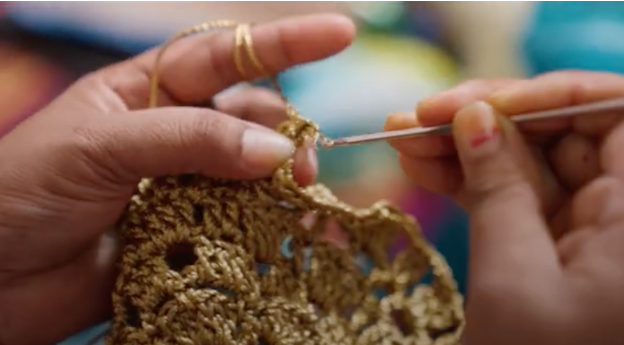
Craft-based training is revolutionizing rural India by equipping artisans, especially women, with practical, income-generating skills like crochet and macramé. This blog explores how Rural Handmade’s people-first training model empowers communities, nurtures entrepreneurship, and creates sustainable livelihoods, offering a replicable roadmap for NGOs, CSR teams, and government-led initiatives.

Community | People
Odisha, nestled on the eastern coastline of India, is a land of incredible diversity, where art, culture, and tradition are intricately woven into the fabric of everyday life. Its history spans thousands of years, steeped in the legacies of ancient dynasties, which have left behind a treasure trove of temples, cultural festivals, and unique art forms. From the towering temples of Konark and Jagannath Puri to the delicate Pattachitra paintings that tell mythological tales, Odisha's artistic heritage is immense. Over centuries, the state has nurtured a variety of handicrafts, each reflecting the confluence of religion, nature, and craftsmanship. The artisans of Odisha have perfected their skills, passing down intricate techniques through generations, ensuring that each craft maintains its authenticity and uniqueness. For small business owners, wholesalers, and manufacturers, Odisha's arts and crafts represent an opportunity to tap into age-old craftsmanship with modern market appeal.
Community | People
The Toda tribe, residing in the picturesque Nilgiri Hills of Tamil Nadu, India, has a long-standing tradition of creating exquisite handcrafted products. Their most renowned craft is their distinctive Toda embroidery, featuring red and black geometric patterns meticulously handwoven into white cotton fabrics. This skillful art form passed down through generations, not only reflects the tribe’s deep cultural identity but also offers a unique and authentic product for the modern market. For artisans, small business owners, and B2B wholesalers, these handcrafted goods provide a valuable opportunity to offer consumers something exclusive, sustainable, and culturally rich.
Community | People
Toys have played a crucial role in childhood development throughout history, serving not only as sources of entertainment but also as tools for learning and growth. From ancient civilizations to modern times, the evolution of toys reflects changes in materials, technology, and cultural values. Wooden toys, in particular, have a rich heritage that stretches back thousands of years. Archaeological finds show that even in the ancient Greek and Roman empires, children played with wooden dolls and miniature chariots. Over centuries, wooden toys have continued to captivate imaginations with their charm and durability.
Community | People
Pattachitra is a distinguished form of traditional Indian painting that hails from the eastern states of Odisha and West Bengal. Its name, derived from the Sanskrit words "patta" (cloth) and "chitra" (picture), reflects its origins on cloth or dried palm leaves. Renowned for its intricate detailing and vibrant storytelling, Pattachitra paintings often depict scenes from Hindu mythology, including stories from the Ramayana and Mahabharata, and showcase revered deities such as Lord Jagannath. The art form is characterized by meticulous brushwork, bold outlines, and rich, natural pigments made from minerals and plants. Beyond its artistic beauty, Pattachitra holds deep cultural and religious significance, often used in temple decorations and rituals. While preserving its traditional roots, contemporary Pattachitra artists continue to innovate, ensuring the art form's relevance and vitality in today's world.
Community | People
In the vibrant cultural landscape of Maharashtra, Nashik emerges as a beacon of India’s rich agricultural and artisanal heritage. Among the many symbols that have withstood the passage of time, the wooden bullock cart stands out as a testament to the resilience and ingenuity of rural India. These carts, once essential for farmers and traders, served not only as a means of transportation but also as a canvas for showcasing the artistry of skilled craftsmen. Every component of a bullock cart, from its sturdy wheels to its intricately carved yokes, tells a story of the land and its people—a story of resourcefulness, tradition, and the enduring relationship between man and nature.
Community | People
West Bengal, often called the "Harvest Land" of handicrafts and handlooms, is home to a rich tradition of artisanal crafts that have flourished for centuries. Among the wide variety of crafts that the state is known for, jute handicrafts stand out due to their eco-friendliness, strength, and versatility. The Bengal crafts, known for their intricate designs and high-quality materials, have earned a significant place in India’s handicraft market. One of the key reasons behind the continued success of these crafts is the ready availability of raw materials and low labor costs in the region, making West Bengal a hub for such endeavors.


You can subscribe and listen to Rural Handmade on Apple Podcasts, Google Podcasts, SimpleCast, Spotify. If you're interested in sharing your story with us, please reach out to support@ruralhandmade.com

I Understand

By continuing to use this site you consent to the use of cookies.

Know More.
X