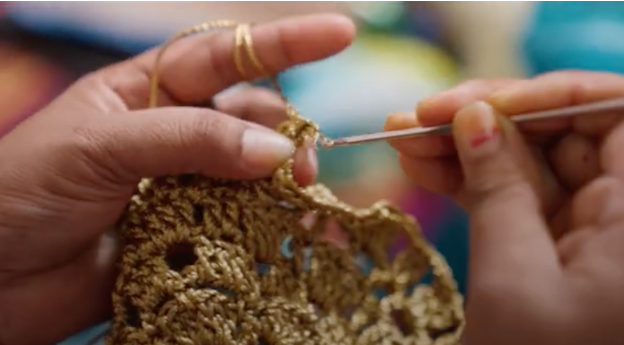
Craft-based training is revolutionizing rural India by equipping artisans, especially women, with practical, income-generating skills like crochet and macramé. This blog explores how Rural Handmade’s people-first training model empowers communities, nurtures entrepreneurship, and creates sustainable livelihoods, offering a replicable roadmap for NGOs, CSR teams, and government-led initiatives.
Experience the vibrant colors and patterns of Solapuri textiles, where tradition meets innovation. Discover the fascinating stories behind Solapur's iconic fabrics, and be captivated by their beauty.
In the world of premium home products, unique handmade crafts are making a statement. The Ilkal Saree, a traditional Indian textile, is one such example of high-quality handmade craftsmanship. However, with the rise of fast fashion and mass production, the Ilkal Saree industry faces challenges in maintaining quality control and scalability.
The Maheshwar handicraft is not just a fabric but a piece of history woven into the rich cultural tapestry of India. Originating from Maheshwar, a town in Madhya Pradesh, this tradition is known for producing exquisite sarees that are celebrated for their intricate designs, vibrant colors, and unparalleled craftsmanship. The Maheshwar handicraft holds a special place in the Indian textile industry, with a history that dates back centuries, embodying a legacy of artistic excellence and cultural significance.
Varanasi, often referred to as the spiritual heart of India, is a city where history, tradition, and craftsmanship converge to create a unique cultural tapestry. This ancient city, nestled along the banks of the Ganges, is not only a spiritual hub but also a thriving center for various handicrafts that have been passed down through generations. The intricate artistry of Varanasi is most famously embodied in its textiles, particularly the opulent Banarasi silk sarees, known for their elaborate patterns and rich history. ‘Varanasi: the Spiritual and Cultural Heart of India’ offers an immersive exploration into the city's vibrant cultural scene, which serves as the backdrop for its celebrated handicraft traditions.
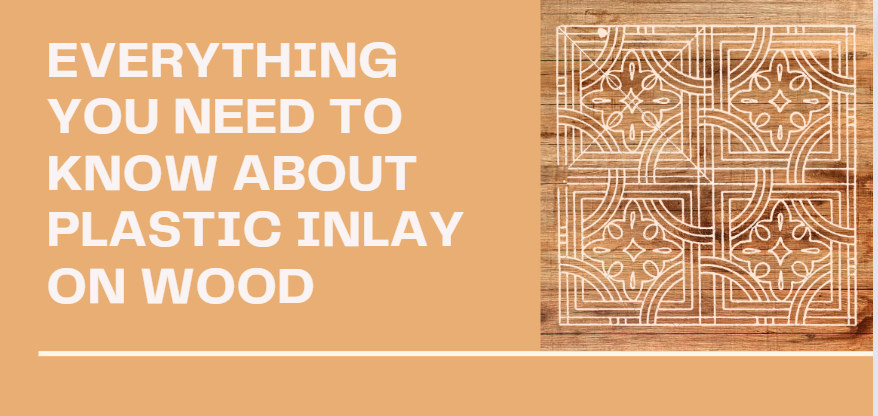
Plastic inlay on wood is a technique used to create decorative and functional designs by embedding plastic materials into wooden surfaces. This process combines the natural beauty and warmth of wood with the versatility and vibrant colors of plastic, resulting in unique and intricate patterns. Plastic inlays can range from simple geometric shapes to complex, detailed images, adding a modern or artistic touch to furniture, flooring, and other wooden items. This technique not only enhances the aesthetic appeal of wood but also provides durability. Common materials used for plastic inlays include acrylic, resin, and various synthetic polymers. The process involves precise cutting and fitting of the plastic pieces into pre-carved grooves or recesses in the wood, often followed by sanding and finishing to achieve a smooth, seamless surface. This blend of materials opens up endless possibilities for creative expression in woodworking projects.
Kasuti, a traditional form of folk embroidery, derives its name from the Kannada words ‘Kai’ meaning hand and ‘Suti’ meaning cotton thread, emphasizing that it is handcrafted using cotton thread. This intricate art form is a rich expression of the tradition, customs, and people of Karnataka, India. The Kasuti embroidery is especially renowned in the districts of Bijapur, Dharwar, Belgaum, Miraj, Sangli, and Jamkhandi.
You can subscribe and listen to Rural Handmade on Apple Podcasts, Google Podcasts, SimpleCast, Spotify. If you're interested in sharing
your story with us, please reach out to support@ruralhandmade.com