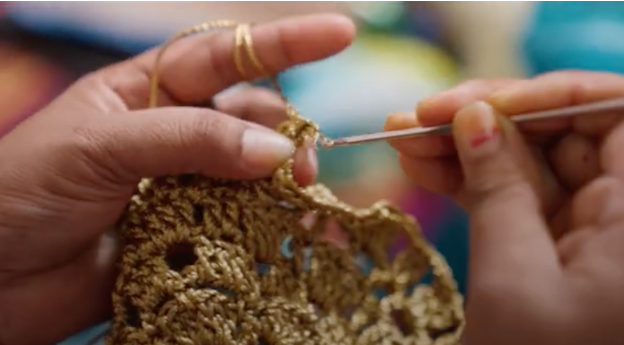
Craft-based training is revolutionizing rural India by equipping artisans, especially women, with practical, income-generating skills like crochet and macramé. This blog explores how Rural Handmade’s people-first training model empowers communities, nurtures entrepreneurship, and creates sustainable livelihoods, offering a replicable roadmap for NGOs, CSR teams, and government-led initiatives.

Community | People
Lambani embroidery, also known as Banjara embroidery, originates from the Lambani community in Yadgiri, Karnataka, India. This traditional craft is renowned for its vibrant colours, intricate patterns, and distinctive mirror and patchwork, which reflect the rich cultural heritage of the Lambani tribe. Known for its sustainability and handmade quality, Lambani embroidery has gained significant relevance in contemporary markets, especially among wholesalers, manufacturers, and B2B dealers. The craft is celebrated not only for its aesthetic appeal but also for its ability to preserve cultural traditions while providing economic opportunities for artisans.
Community | People
Kantha embroidery, a celebrated craft from Kolkata, West Bengal, is renowned for its intricate patterns and vibrant storytelling. This hand-stitched technique has transformed from a humble domestic art into a thriving industry, holding immense significance in today's fashion and textile markets. For wholesalers, manufacturers, and B2B dealers, Kantha represents an opportunity to tap into a blend of tradition and contemporary appeal, catering to the growing demand for artisanal and sustainable products.
Community | People
The history of lac bangles in Karnataka is a testament to the region's rich cultural heritage. Lac, a natural resin, has been used for centuries to craft these vibrant, decorative bangles. This traditional craft dates back to ancient times, with artisans perfecting the techniques passed down through generations. Karnataka's lac bangles are known for their intricate designs and vibrant colours, reflecting the state's diverse cultural influences.
Community | People
Temple jewellery is a unique category of handmade jewellery that originates from South India, deeply rooted in cultural and religious traditions. Characterised by intricate designs inspired by temple architecture and deities, these pieces are crafted with exceptional attention to detail. Traditionally worn during religious ceremonies and cultural events, temple jewellery has now gained popularity as a premium accessory in modern fashion.
Community | People
Applique art is a significant form of ancient folk art in India, where one fabric is sewn onto another for decorative purposes. The term "applique" originates from the French verb "appliquer," meaning "to apply." While the exact origins of this art form are difficult to trace, applique, also known as patchwork, is an age-old technique. Historically, artisans used this method to repair torn clothing by sewing patches of different materials onto the damaged areas. Over time, applique gained cultural significance, especially in ritual ceremonies, and was used to decorate royal attire, as well as temple ceremonial umbrellas and tents.
Community | People
Indian art and philosophy have had a profound influence on the cultural landscapes of Asia. Alongside the spread of Buddhism and Hinduism, which carried deep philosophical ideas, Indian art forms, including murals, traveled to regions such as Southeast Asia, Central Asia, and East Asia. These art forms were adapted and integrated into local cultures, leading to unique blends that enriched the artistic heritage of these regions.


You can subscribe and listen to Rural Handmade on Apple Podcasts, Google Podcasts, SimpleCast, Spotify. If you're interested in sharing your story with us, please reach out to support@ruralhandmade.com

I Understand

By continuing to use this site you consent to the use of cookies.

Know More.
X