Craft-based training is revolutionizing rural India by equipping artisans, especially women, with practical, income-generating skills like crochet and macramé. This blog explores how Rural Handmade’s people-first training model empowers communities, nurtures entrepreneurship, and creates sustainable livelihoods, offering a replicable roadmap for NGOs, CSR teams, and government-led initiatives.
In the complex network of B2B supply chain management, quality control plays a pivotal role, ensuring excellence across various dimensions. Acting as the safety guard of product integrity, it meticulously upholds stringent standards, safeguarding the quality of products as they traverse the supply chain. Beyond regulatory compliance, quality control becomes the linchpin for preserving and enhancing brand reputation, an indispensable asset in the collaborative landscape of B2B relationships.
Dyeing is a very ancient art; from the earliest times of the ancient civilisations till within about forty years ago there had been no essential change in it, and not much change of any kind. Up to the time of the discovery of the process of Prussian-blue dyeing in about 1810 (it was known as a pigment thirty or forty years earlier), the only changes in the art were the result of the introduction of the American insect dye (cochineal), which gradually superseded the European one (kermes), and the American wood-dyes now known as logwood and Brazil-wood: the latter differs little from the Asiatic and African Red Saunders, and other red dye-woods; the former has cheapened and worsened black-dyeing, in so far as it has taken the place of the indigo-vat as a basis. The American quercitron bark gives us also a useful additional yellow dye.
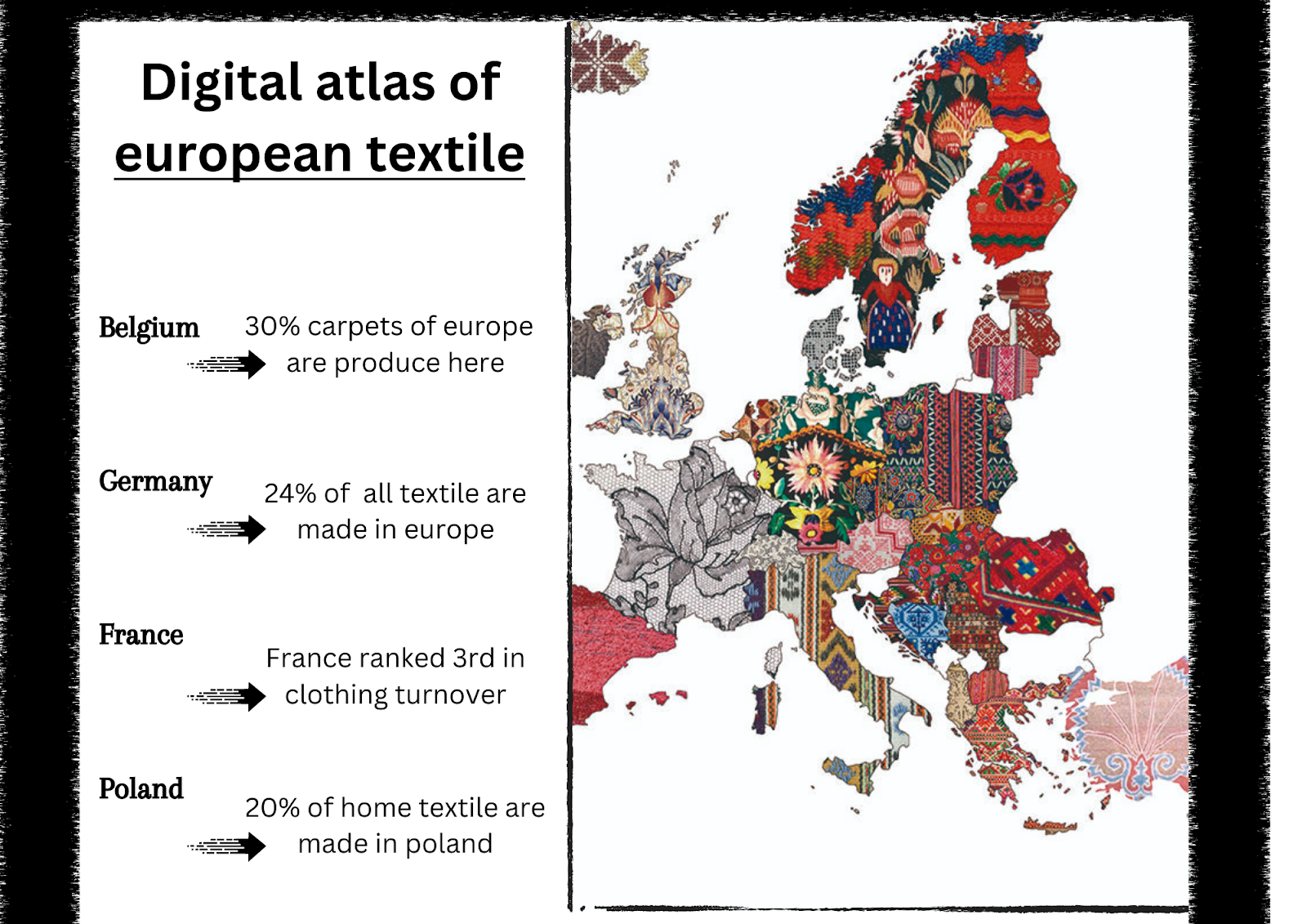
Textile are in the fabric of everyone’s daily lives. They are used as apparel, household textiles and in furniture, and also in products such as medical and protective equipment, buildings and vehicles. Textiles enable products’ functionalities and performance but are also chosen for aesthetics and comfort purposes. The textile market industry is concerned with the design, production, and distribution of yarn, cloth, clothing, and garments. The raw material may be natural or synthetic, which may be using products of the chemical industry. The textile and garment industries contribute significantly to the national economy of many countries. Growing awareness of the latest fashion trends among the young generation helps to propel the textile garment market. Increasing spending on apparel and accessories from online platforms and rising willingness to pay a premium for high-quality apparel, and increasing awareness towards sustainable and eco-friendly clothing help to boost the growth of the textile garment market.
Digital Transformation is a term that is being tossed around quite frequently in the digital world. But very few people actually understand it perfectly. Everyone has their own set of beliefs and understanding which makes it less efficient in implementation.
Hey there, B2B readers! We have decided to dig a little deeper into B2B merchandising today. In this blog, we'll be exploring the unique challenges and amazing opportunities that come with it. From showcasing value propositions to targeting specific buyer personas and leveraging data-driven insights, we'll cover it all. So, let's buckle up and get ready to discover how B2B merchandising can go beyond product display and create meaningful relationships with customers to build brand loyalty.
A Guide To Export And Import Procedures Between India And USA. This e-book is designed as an in-depth guide for businesses and individuals navigating the complexities of export and import between India and the USA. It starts by introducing the fundamental concepts of international trade, emphasizing the significance of proper documentation in facilitating smooth trade operations. The chapters explore the intricate details of export and import documentation requirements, covering essential paperwork and certificates necessary for compliance with regulatory standards. Additionally, the book provides insights into certifications, focusing on their role in ensuring quality and meeting specific industry standards.
You can subscribe and listen to Rural Handmade on Apple Podcasts, Google Podcasts, SimpleCast, Spotify. If you're interested in sharing
your story with us, please reach out to support@ruralhandmade.com